
Language
Extend the Lifespan of Your Equipment with Quality Filter Plate Seals.
Pubdate:
2023-12-18
1. Introduction In the fast-paced industrial sector, equipment lifespan, and performance play a crucial role in maintaining productivity and profitability. One effective way to extend the lifespan of your equipment and optimize its functionality is by investing in high-quality filter plate seals. These seals act as a vital barrier against leaks, contamination, and wear and tear, providing a reliable sealing solution for various industrial applications.
1. Introduction
In the fast-paced industrial sector, equipment lifespan, and performance play a crucial role in maintaining productivity and profitability. One effective way to extend the lifespan of your equipment and optimize its functionality is by investing in high-quality filter plate seals. These seals act as a vital barrier against leaks, contamination, and wear and tear, providing a reliable sealing solution for various industrial applications.
2. Understanding the Importance of Filter Plate Seals
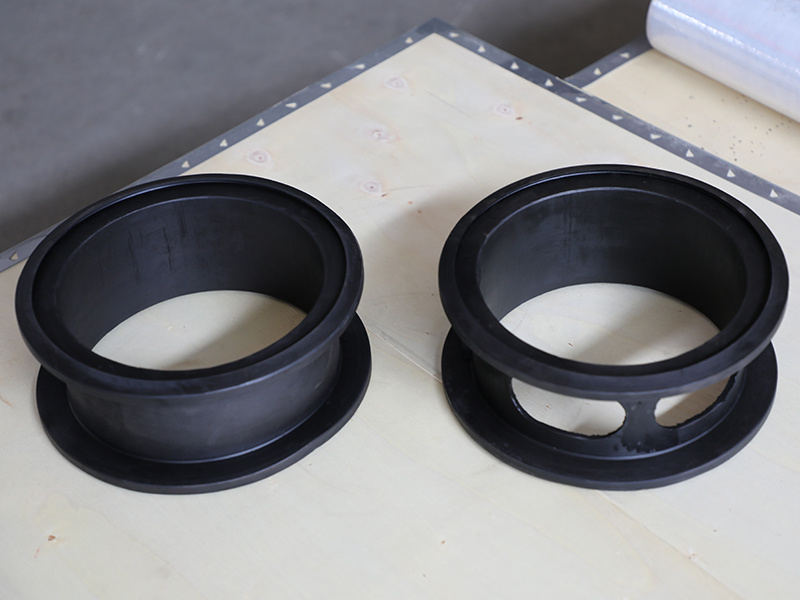
Filter plate seals are essential components used in industrial equipment to create a secure and leak-free seal between two mating surfaces. They ensure that no fluid or contaminants can escape or enter the equipment, thus safeguarding its efficient operation. By effectively sealing the gaps and preventing leaks, filter plate seals help maintain the integrity of the equipment while prolonging its lifespan.
3. How Filter Plate Seals Extend Equipment Lifespan
Filter plate seals significantly contribute to extending the lifespan of industrial equipment in several ways. Firstly, they act as a protective barrier against leaks, preventing any fluid from escaping and causing damage to the surrounding components. Secondly, these seals help control contamination by preventing the entry of dust, dirt, or other contaminants into the equipment, which can lead to premature wear and malfunction. Lastly, quality filter plate seals minimize the effects of wear and tear, reducing the risk of equipment failure and extending its overall lifespan.
4. Types of Filter Plate Seals
There are various types of filter plate seals available in the market, each suited for specific industrial applications. Some common types include:
4.1. Rubber Filter Plate Seals
Rubber seals are known for their versatility and compatibility with a wide range of fluids and environments. They offer excellent sealing capabilities and can withstand high pressures and temperatures.
4.2. Synthetic Filter Plate Seals
Synthetic seals, such as those made from silicone or fluorocarbon materials, offer enhanced chemical resistance and durability. They are commonly used in applications that involve aggressive chemicals or extreme temperatures.
4.3. PTFE Filter Plate Seals
PTFE (Polytetrafluoroethylene) seals are highly resistant to chemicals and offer exceptional performance under high pressure and temperature conditions. They provide a reliable sealing solution for critical industrial processes.
4.4. Other Common Filter Plate Seals
Other types of filter plate seals include metal seals, composite seals, and spiral wound gaskets. These seals are designed to meet specific industrial requirements and provide reliable sealing performance.
5. Factors to Consider When Choosing Filter Plate Seals
When selecting filter plate seals for your equipment, it is crucial to consider several factors to ensure optimal performance and longevity. These factors include:
5.1. Temperature Resistance
Choose seals that can withstand the temperature range of your equipment's operating conditions. Failure to use seals with appropriate temperature resistance can lead to seal degradation and equipment failure.
5.2. Chemical Compatibility
Consider the type of fluids and chemicals that will come into contact with the seals. Select seals that are chemically compatible to prevent degradation and ensure long-lasting performance.
5.3. Pressure Rating
Determine the maximum pressure your equipment will experience and select seals that can handle the specified pressure. Using seals with inadequate pressure ratings can result in leaks or seal failure.
5.4. Durability and Longevity
Invest in high-quality seals that are known for their durability and extended lifespan. Choosing seals with a reputation for longevity can save you from frequent replacements and associated downtime.
6. Benefits of High-Quality Filter Plate Seals
Utilizing high-quality filter plate seals in your equipment offers numerous advantages, including:
6.1. Leak Prevention
One of the primary benefits of quality filter plate seals is their ability to prevent leaks. By creating a reliable barrier, these seals ensure that no fluid escapes the equipment, minimizing the risk of damage and potential hazards.
6.2. Contamination Control
Filter plate seals play a crucial role in controlling contamination, keeping unwanted particles, dust, and dirt out of the equipment. By maintaining a clean and contaminant-free environment, these seals contribute to enhanced equipment performance and durability.
6.3. Enhanced Performance
By effectively sealing gaps and preventing leaks, filter plate seals optimize the overall performance of industrial equipment. Maintaining a consistent and reliable seal ensures that the equipment operates at its peak efficiency, leading to improved productivity and reduced energy consumption.
6.4. Reduced Maintenance Costs
Investing in quality filter plate seals can help minimize maintenance costs in the long run. By preventing leaks and reducing wear and tear, these seals contribute to fewer repair requirements, extended equipment lifespan, and reduced downtime.
7. Proper Installation and Maintenance of Filter Plate Seals
To maximize the benefits of filter plate seals, it is essential to ensure proper installation and regular maintenance. Follow these guidelines:
7.1. Cleaning and Inspection
Before installing new seals, thoroughly clean the mating surfaces to remove any residue or contaminants. Regularly inspect the seals for signs of wear, cracks, or deterioration, and replace them promptly if needed.
7.2. Correct Installation Techniques
Follow the manufacturer's guidelines for installing filter plate seals. Ensure proper alignment, correct torque, and use any recommended lubricants or sealants to ensure a secure and effective seal.
7.3. Regular Maintenance Schedule
Establish a maintenance schedule to monitor the condition of your filter plate seals and address any issues promptly. Regularly cleaning, inspecting, and replacing worn-out seals can help prevent potential equipment failures and maximize their lifespan.
8. Frequently Asked Questions (FAQs)
8.1. What are the common signs of worn-out filter plate seals?
Common signs of worn-out filter plate seals include fluid leaks, reduced equipment performance, increased energy consumption, and visible seal damage or deterioration.
8.2. How often should filter plate seals be replaced?
The replacement frequency of filter plate seals depends on various factors such as operating conditions, seal material, and maintenance practices. Regular inspection and monitoring can help determine the optimal replacement intervals.
8.3. Can I use any type of seal with my equipment?
No, it is crucial to select seals that are compatible with your equipment's operating conditions, including temperature, pressure, and chemical exposure. Choosing the right seal ensures optimal performance and longevity.
8.4. Are there any alternative sealing solutions available?
Yes, apart from filter plate seals, alternative sealing solutions such as gaskets, O-rings, and custom-made seals are available. The choice depends on the specific requirements and design of your equipment.
8.5. How can I ensure a proper seal during installation?
To ensure a proper seal during installation, follow the manufacturer's guidelines, clean the mating surfaces, verify correct alignment, torque the fasteners accurately, and perform any recommended tests or inspections.
9. Conclusion
Investing in quality filter plate seals is a crucial step towards extending the lifespan of your industrial equipment. By effectively sealing gaps, preventing leaks, and controlling contamination, these seals enhance equipment performance, minimize downtime, and reduce maintenance costs. Remember to choose the right type of seal based on temperature resistance, chemical compatibility, pressure rating, and durability. Regular cleaning, inspection, and maintenance of filter plate seals will ensure optimal performance and longevity, contributing to the overall success of your industrial operations.
Nadzia
Email: sales@nadzia.net
Address:No. 4165, Tian Qu East Road, Yuan Qiao Town, De Zhou
Economic And Technological Development Zone, De Zhou, Shandong, P. R. China
Copyright © 2023 Nadzia Industrial Equipment(Shandong)Co., Ltd


